
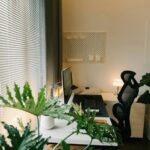






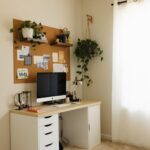

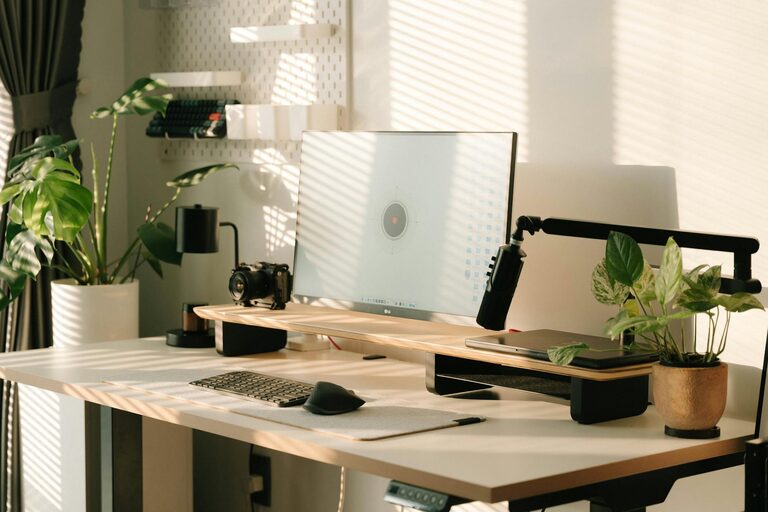
Creating a productive home office environment is essential for anyone who works remotely or spends a significant amount of time at home working. A well-designed workspace can improve your focus, reduce stress, and increase overall efficiency. Whether you have a dedicated room or a small corner in your living space, there are several strategies you can use to make your home office comfortable and functional. Here are some helpful tips to get you started.
Choose the Right Location
The first step in creating a productive home office is selecting the best spot in your home. Consider the following factors:
– Natural Light: Try to pick a location near a window to benefit from natural light. It can boost your mood and reduce eye strain.
– Quiet Space: Find a quiet area with minimal distractions. Avoid high-traffic zones such as near the kitchen or living room.
– Space: Ensure there is enough room for your desk, chair, and any other equipment or storage you may need.
Invest in Comfortable Furniture
Comfort plays a big role in productivity. Sitting for hours in an uncomfortable chair can lead to back pain and fatigue. Here’s what to keep in mind:
– Ergonomic Chair: Choose a chair that supports good posture with adjustable height and lumbar support.
– Appropriate Desk: Your desk should be spacious enough for your computer, documents, and other work tools.
– Standing Desk Options: Consider a sit-stand desk or a desk converter for flexibility and to reduce prolonged sitting.
Organize Your Workspace
A clutter-free environment helps keep your mind clear and focused. Organizing your workspace can be a game changer:
– Use Storage Solutions: Shelves, filing cabinets, or drawer organizers help keep items tidy and accessible.
– Cable Management: Use clips or sleeves to manage cords and reduce tangled cables.
– Keep Essentials Nearby: Keep frequently used items like notebooks, pens, or chargers within easy reach.
Optimize Your Lighting
Good lighting reduces eye strain and helps maintain energy levels during work hours.
– Combine Natural and Artificial Light: Position your desk to take advantage of daylight and supplement with adjustable task lighting.
– Avoid Glare: Place your monitor perpendicular to windows or light sources to prevent reflections.
– Use Warm or Neutral Bulbs: These types of bulbs create a comfortable atmosphere without being harsh.
Minimize Distractions
Creating boundaries and reducing interruptions are key to maintaining focus.
– Set Work Hours: Establish clear working hours to create a routine.
– Use Noise-Canceling Headphones: These can help block out background noise if the environment is noisy.
– Limit Mobile Phone Usage: Keep your phone out of reach or on silent to avoid unnecessary notifications.
Personalize Your Space
Adding personal touches can make your office inviting and motivate you to spend time there.
– Add Plants: Indoor plants can improve air quality and add a touch of nature.
– Use Artwork or Photos: Hang inspiring artwork or photos that make you happy.
– Choose a Color Scheme: Select colors that promote calmness or creativity depending on your preference.
Take Breaks and Move Around
Even with the perfect setup, it’s important to take regular breaks.
– Follow the 20-20-20 Rule: Every 20 minutes, look at something 20 feet away for 20 seconds to reduce eye strain.
– Stretch or Walk: Stand up, stretch, or take a short walk to boost circulation and energy levels.
– Hydrate and Snack: Keep water and healthy snacks nearby to stay refreshed.
Use Technology Wisely
Leveraging technology can streamline your work and improve productivity.
– Reliable Internet Connection: A strong and stable internet connection is essential.
– Productivity Apps: Use calendars, to-do lists, or project management tools to stay organized.
– Regular Backups: Protect your work with cloud storage or regular backups.
Maintain Work-Life Balance
Separating work from personal life helps prevent burnout.
– Create a Clear Boundary: Avoid working in personal spaces like your bed or couch.
– End Your Workday Ritual: Develop a routine to signal the end of the workday, such as shutting down the computer or tidying the desk.
– Communicate with Household Members: Let others know your schedule to minimize interruptions.
—
Setting up a home office that promotes productivity doesn’t require expensive equipment or a large space. Thoughtful choices about location, furniture, organization, and routines can transform any part of your home into a workspace where you can focus and thrive. Keep experimenting to find what works best for you, and remember that comfort and clarity go hand in hand with productivity.