






Creating a home office that feels both cozy and productive can make a significant difference in your work experience. Whether you’re working remotely, freelancing, or managing personal projects, an inviting workspace helps boost focus and reduces stress. In this post, we’ll explore practical tips to help you design a home office space that feels comfortable without sacrificing efficiency.
Choose the Right Location
Find a Quiet Spot
Select a space in your home where you can minimize distractions. This might be a spare room, a corner of your living room, or even a nook near a window. The key is to have a dedicated area that signals “work time” and keeps noise and interruptions to a minimum.
Consider Natural Light
Natural light has been shown to improve mood and productivity. Position your desk near a window if possible. If natural light is limited, invest in good quality lighting that mimics daylight to keep your space bright and welcoming.
Invest in Comfortable Furniture
Ergonomic Chair and Desk
A comfortable, ergonomic chair supports good posture and prevents back pain during long working hours. Pair it with a desk at the right height to reduce neck and wrist strain. Adjustable desks that allow you to switch between sitting and standing can be a great option as well.
Personal Touches for Warmth
Add cushions, a cozy throw, or a rug to make your office feel welcoming. These soft textures can create a warm atmosphere that encourages you to spend more time in your space without discomfort.
Organize Your Workspace
Keep Clutter to a Minimum
Clutter can distract and overwhelm, so aim for a tidy, organized workspace. Use shelves, drawers, and organizers to store office supplies and documents so they’re easily accessible but out of sight.
Use Functional Storage Solutions
Containers, file holders, and desk organizers help keep items in place. Labeling storage boxes or folders also speeds up finding what you need, which saves time and reduces frustration.
Optimize Your Technology Setup
Up-to-date Equipment
Ensure your computer, monitor, keyboard, and other tools are in good working order. Investing in quality technology can reduce interruptions caused by technical problems.
Manage Cables Neatly
Use cable organizers or clips to keep cords untangled and hidden. A tidy cable setup contributes to a cleaner look and prevents trips or accidental disconnections.
Create a Calming Environment
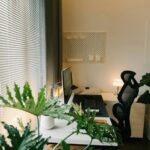
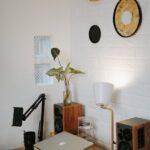
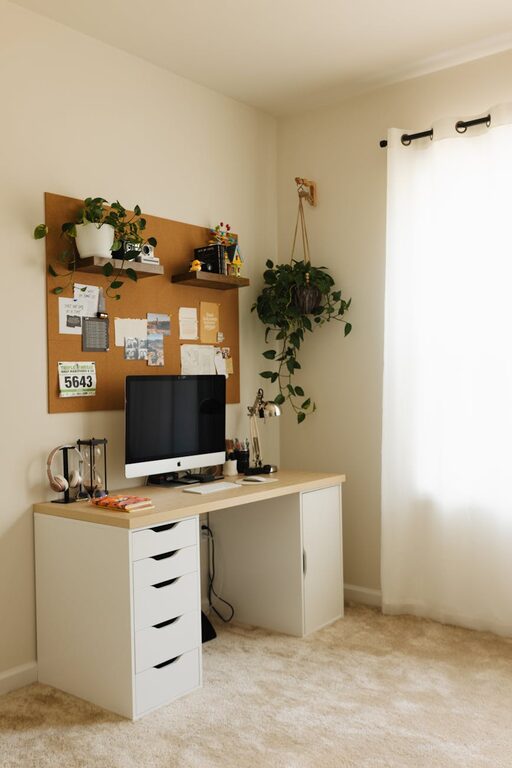
Add Plants or Greenery
Plants improve air quality and add a natural element that reduces stress. Choose low-maintenance options like succulents or snake plants if you’re new to indoor gardening.
Pay Attention to Colors
Soft, neutral colors often create a relaxing ambiance. However, a pop of your favorite color through accessories or wall art can boost energy and creativity.
Establish Boundaries and Routines
Set Work Hours
Even if your home office is always accessible, setting clear working hours helps separate professional time from personal life. Use calendar alerts or alarms to signal the start and end of your workday.
Create a Pre-Work Ritual
Establish a routine that helps you transition into work mode. It could be as simple as making a cup of coffee, stretching, or reviewing your daily goals.
Include Inspiration and Motivation
Display Personal and Professional Goals
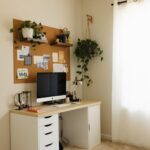
Keep a vision board or framed quotes that inspire you. Seeing your goals daily can help maintain motivation and remind you why your work matters.
Use a Whiteboard or Planner
Visual tools for tracking tasks and deadlines help keep your projects on track. Whether digital or physical, planners encourage organization and reduce last-minute stress.
Maintain Your Space
Regular Cleaning
A clean workspace fosters clear thinking. Schedule weekly tidying sessions to dust surfaces, empty trash, and reorganize items.
Refresh Periodically
Change your decor or rearrange furniture from time to time to keep the environment feeling fresh. Even small changes can spark renewed enthusiasm.
—
By following these tips, you can craft a home office space that invites both comfort and productivity. Remember, the most effective work environment is one that suits your personal preferences and needs, so take time to experiment and adjust your space until it feels just right. Happy working!