









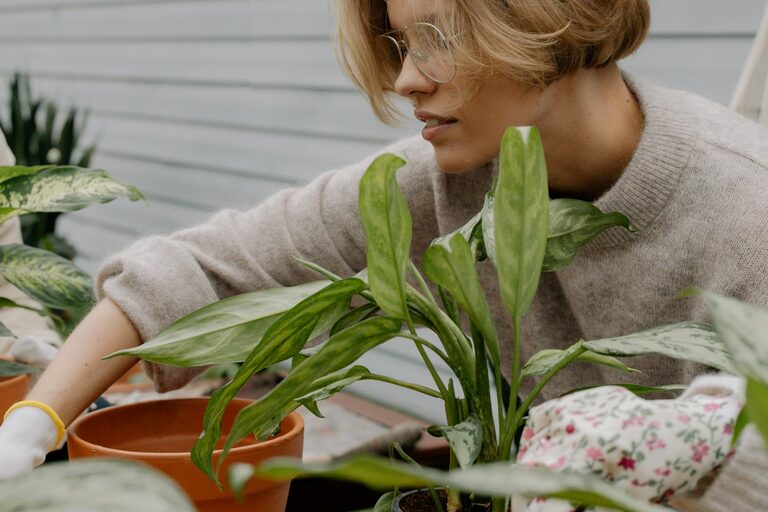
Creating a sustainable home garden can be a rewarding experience that benefits both you and the environment. By adopting eco-friendly gardening practices, you can enjoy fresh produce, beautiful flowers, and a peaceful outdoor space while conserving resources and supporting local wildlife. This guide offers practical tips to help you maintain a healthy, sustainable garden throughout the year.
Understanding Sustainability in Gardening
Sustainable gardening focuses on using methods and materials that minimize environmental impact. It promotes soil health, conserves water, encourages biodiversity, and reduces waste. With sustainability in mind, your garden can thrive year-round without exhausting natural resources or relying heavily on synthetic inputs.
Planning Your Garden for Year-Round Success
Planning is the foundation of any sustainable garden. Here’s what to consider:
Choose Native and Adapted Plants
Selecting plants that are native or well-adapted to your local climate reduces the need for excessive watering, fertilizers, and pesticides. These plants are more resilient and provide habitat and food for native pollinators and wildlife.
Plan for Seasonal Variety
To keep your garden productive and attractive throughout the year, include a mix of annuals, perennials, and shrubs that bloom or bear fruit in different seasons. This approach supports biodiversity and continuous growth.
Design with Efficiency in Mind
Group plants with similar water and sunlight needs together to optimize resource use. Consider companion planting, which can reduce pests and improve soil fertility naturally.
Soil Care and Composting
Healthy soil is the backbone of a sustainable garden.
Test and Amend Soil Naturally
Start by testing your soil’s pH and nutrient levels. Use organic matter like compost, aged manure, or leaf mold to enrich the soil without relying on chemical fertilizers.
Compost at Home
Composting kitchen scraps and garden waste reduces landfill use and creates nutrient-rich soil amendments. Keep a compost bin or pile, turning it regularly to speed decomposition.
Practice Mulching
Apply a layer of mulch around plants to conserve moisture, suppress weeds, and add organic matter to the soil as it breaks down.
Water Conservation Techniques
Water is precious, and conserving it is key in sustainable gardening.
Use Rainwater Harvesting
Collect rainwater in barrels or cisterns to water your garden naturally. This reduces reliance on municipal water and lowers your water bill.
Water Wisely
Water deeply but infrequently to encourage deep root growth. Water early in the morning or late in the evening to reduce evaporation.
Install Drip Irrigation
Drip irrigation delivers water directly to the plant roots, minimizing waste and preventing overwatering.
Encouraging Biodiversity
A diverse garden ecosystem promotes natural pest control and creates a healthy environment.
Create Habitat for Wildlife
Include native flowering plants, shrubs, and trees to attract bees, butterflies, birds, and beneficial insects.
Avoid Chemical Pesticides
Use natural pest control methods such as handpicking pests, attracting predatory insects, or using organic sprays made from neem or garlic.
Plant Pollinator-Friendly Plants
Pollinators are essential for fruit and vegetable production. Grow a variety of nectar and pollen-rich plants to keep them visiting your garden.
Seasonal Maintenance Tips
Adjust your gardening tasks to align with seasonal changes:
Spring
– Prepare the soil by adding compost and turning it gently.
– Plant cool-season crops and early flowers.
– Prune perennials and remove winter mulch.
Summer
– Mulch heavily to retain moisture.
– Harvest regularly to encourage production.
– Monitor for pests and diseases frequently.
Fall
– Plant cover crops like clover or rye to improve soil.
– Collect leaves for compost or mulch.
– Start planning for winter protection.
Winter
– Protect sensitive plants with coverings or bring potted plants indoors.
– Clean and sharpen tools.
– Plan next year’s garden based on this year’s successes and challenges.
Sustainable Tools and Materials
Using the right tools and materials can further enhance your garden’s sustainability.
– Opt for hand tools over electric ones when possible to reduce energy usage.
– Choose durable, recycled, or sustainably sourced gardening products.
– Repurpose containers and materials for planters and supports.
Final Thoughts
Creating a sustainable home garden takes thoughtful planning and ongoing care, but the rewards are many. Not only will you enjoy fresh, healthy plants, but you’ll also contribute positively to your local ecosystem. By following the tips above, you can develop a beautiful, eco-friendly garden that flourishes through every season.
Happy gardening!